Understanding the Classic Gameplay
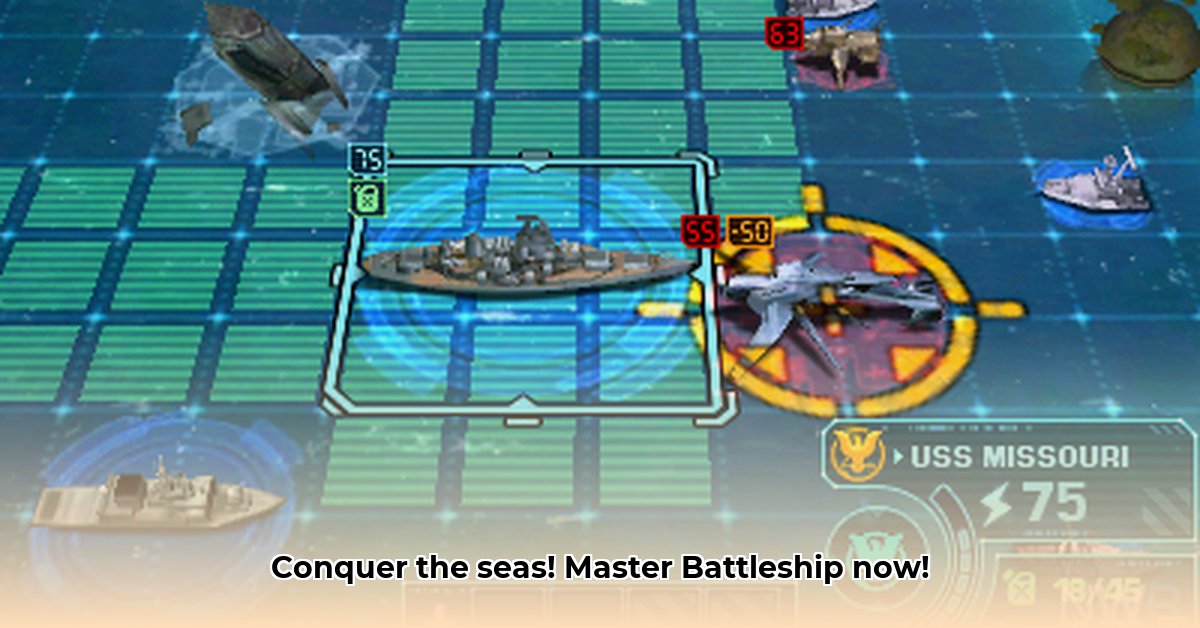
Battleship, the classic naval combat game, pits two players against each other in a strategic guessing game. Each player secretly places their fleet of ships on a 10x10 grid. Then, players take turns calling out coordinates (e.g., "B4") in an attempt to hit their opponent's ships. A "hit" indicates a ship has been struck, while a "miss" means the guess was incorrect. The first player to sink all of their opponent's ships wins. (See Figure 1 for a visual representation of a Battleship grid).
(Insert Figure 1: A sample Battleship grid showing ship placement)
Did you know that the simple act of guessing coordinates actually involves a surprising level of strategic thinking? Mastering probability and pattern recognition is key to consistent success in Battleship. The simplicity of the rules belies the depth of strategic play involved.
Mastering Ship Placement: Strategy Beyond Chance
Effective ship placement is crucial to winning Battleship. Random placement increases the likelihood of early losses. Consider the following strategies:
Defense-Oriented Placement: Clustering ships together offers a degree of protection. Though it makes them easier to find if one is struck, it also allows concentrated fire once a ship is found.
Dispersed Placement: Spreading ships across the grid increases survivability but makes them harder to locate, initially. This approach presents more of a challenge to the opponent, slowing their ability to sink entire fleets.
Strategic Corners: Utilizing corners can provide protection for smaller ships, hindering the rapid spread of attacks, but makes them more vulnerable to targeted attacks later on. Where you position your fleet significantly impacts your chances of victory.
Advanced Tactics: Elevating Your Gameplay
Beyond basic placement, these advanced tactics enhance your Battleship skills:
Probability Analysis: Track hits and misses to deduce the likely locations of remaining ships. This approach is a major component of advanced play. Concentrating fire on areas with confirmed hits significantly increases your chance of sinking the opponent's fleet.
Pattern Recognition: Observe your opponent's attack patterns to anticipate their next moves. This approach improves your defensive capabilities and allows you to counter their strategy. Are they systematically scanning the board, or focusing on specific areas? This can reveal their strategic thinking.
Calculated Risks: Occasionally, taking calculated risks by firing on areas with multiple missed targets pays off.
A well-placed long-shot can completely disrupt your opponent's plans and turn the tide of the game. How often do you choose to take such risks?
The HTML5 Revolution: Modernizing a Classic
The transition to HTML5 was transformative for Battleship. HTML5's cross-platform compatibility ensures the game runs smoothly on virtually any device with a web browser. This contrasts sharply with older Flash-based versions, which are now obsolete. This greatly increased accessibility and broadened the game's appeal to a wider audience. Developers faced significant challenges in optimizing the game across diverse devices, balancing performance with cross-platform functionality.
Building Your Own HTML5 Battleship Game: Key Considerations
For developers, creating an HTML5 Battleship game offers unique challenges and advantages:
Framework Selection: Choosing a suitable JavaScript framework (e.g., React, Vue.js, or even vanilla JavaScript) significantly impacts development efficiency and code maintainability. What framework are you using in your project?
Rendering Optimization: Optimizing rendering performance to handle multiple game instances simultaneously is crucial for a smooth online experience. This is an important consideration for multiplayer modes.
Responsive Design: Ensuring the game adapts seamlessly to different screen sizes is essential for maximizing accessibility. It allows the game to be played on any device, whether it is a mobile phone or a desktop computer.
Cross-Browser Compatibility: Thorough testing across various browsers (Chrome, Firefox, Safari, Edge) is vital for a consistent player experience. This is crucial for maintaining a wide audience for your game.
The Competitive Landscape and Future Innovations
The online gaming market is highly competitive, especially for casual games. Battleship's enduring popularity ensures continued competition. To stand out, developers must innovate, introducing features and game modes to maintain player engagement. The future of Battleship could include:
Enhanced AI Opponents: AI capable of dynamically adapting to player strategies.
Real-Time Multiplayer: Simultaneous gameplay with other players.
Global Leaderboards: Competitive rankings and player comparisons.
Unique Game Modes: Adding new variations like asymmetrical fleet sizes, limited visibility, or special power-ups.
Conclusion: Charting a Course to Battleship Mastery
Mastering Battleship involves a blend of strategic thinking and tactical execution. The transition to HTML5 has dramatically expanded its reach, making it more accessible than ever. For developers, creating an HTML5 Battleship game presents a compelling opportunity to revitalize a classic. Dive in, experiment, build, and play! Your next great Battleship adventure awaits.
Three Pivotal Points:
- HTML5's cross-platform compatibility significantly increases Battleship's accessibility and appeal.
- Strategic ship placement and understanding probability are crucial for gameplay success.
- The future of Battleship involves innovation in AI, multiplayer options, and new game modes.
⭐⭐⭐⭐☆ (4.8)
Download via Link 1
Download via Link 2
Last updated: Monday, May 19, 2025